
The internet is currently undergoing its biggest economic shift since the dot-com era. For over two decades, wealth creation online followed a familiar, exhausting formula: build a huge audience, spend years mastering complex code, trade endless hours for freelance dollars, or risk massive capital on unproven physical products.
That formula is officially broken.
We have entered the era of the “One-Person AI Enterprise.” Right now, silent creators, remote workers, and non-technical entrepreneurs are building lightweight, highly profitable digital businesses without showing their faces, without hiring staff, and without working 80 hours a week.
They aren’t using complex neural networks or spending months learning Python. Instead, they leverage cheap, accessible Artificial Intelligence tools as workforce multipliers.
This comprehensive deep-dive breaks down the high-growth, high-conversion AI business models dominating the digital space, complete with execution roadmaps, exact tool stacks, and high-impact growth strategies
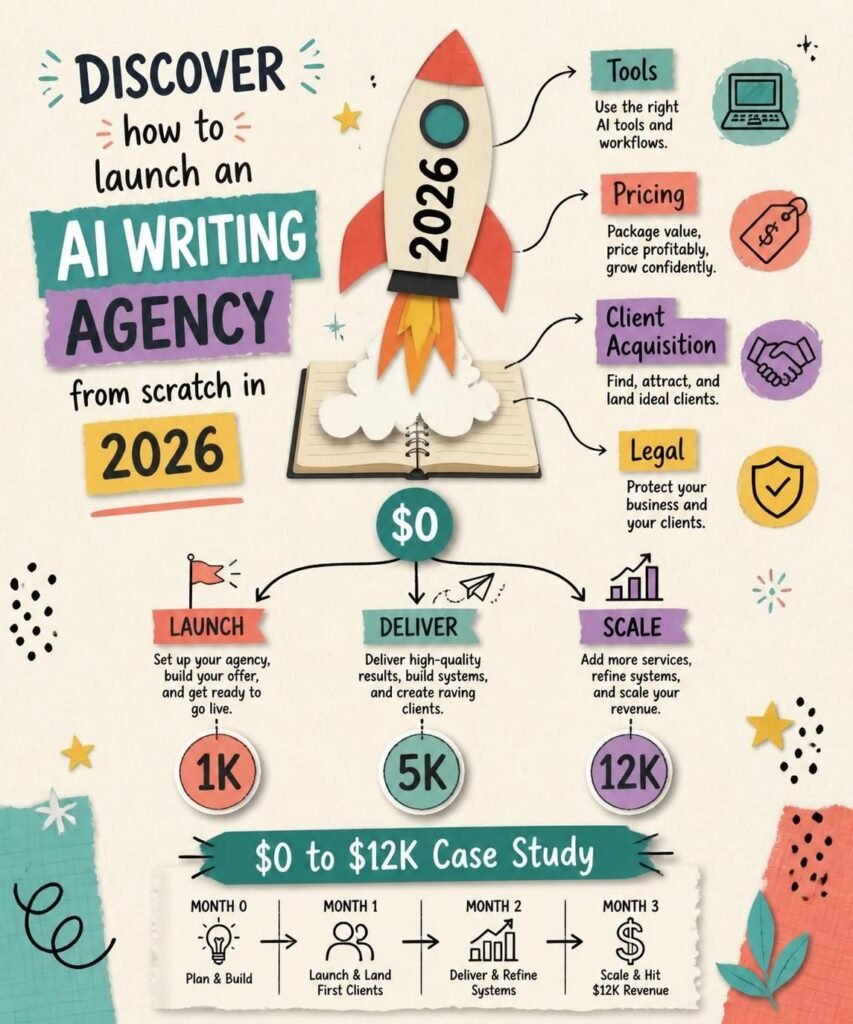
The Shift: From “Prompting for Fun” to Building Scalable Digital Systems
Most people use Artificial Intelligence as a glorified search engine. They type in basic questions, request short poems, or generate generic stock images, and then conclude that AI is merely an interesting novelty.
High earners view AI through a fundamentally different lens. They treat software like OpenAI’s ChatGPT, Claude, and Midjourney as an army of specialized, zero-cost employees working 24/7:
- An elite copywriter who produces persuasive sales pages in minutes.
- A senior software engineer who writes error-free automation scripts.
- A world-class graphic designer who generates commercial visual assets on demand.
- A data scientist capable of analyzing market gaps instantaneously.
When you assemble these virtual team members into automated systems, your cost to deliver value drops toward zero, while your speed to market accelerates by 1,000%.
Here are the most lucrative, engaging, and scalable AI business models you can start today.
Business Model 1: The AI Automation Architect (“The Digital Plumber”)
Every small business is drowning in repetitive digital manual labor. A local real estate agency spends hours typing customer leads into spreadsheets. A dental clinic wastes hundreds of dollars manually calling patients to confirm appointments. A specialized e-commerce brand spends half its week responding to basic shipping inquiries.
These companies don’t need creative social media campaigns—they need operational automation.
How the Business Works
As an AI Automation Architect, you don’t write complex software from scratch. Instead, you act as a “digital plumber,” using no-code automation engines to connect AI models directly into existing business workflows.
When a prospective client submits a contact form on a client’s website, your automated pipeline reads the lead using an AI model, categorizes their urgency, crafts a personalized response email, updates the client CRM, and alerts the sales representative via text—all within 30 seconds.
[ Customer Inquiry ] ➔ [ Zapier / Make.com Pipeline ] ➔ [ OpenAI API Processing ]
│
┌───────────────────┴───────────────────┐
▼ ▼
[ Personalized Email Draft ] [ CRM & Mobile Alert ]
The Core AI Tool Stack
- Workflow Engines: Zapier or Make.com.
- Cognitive Processing: OpenAI API or Anthropic Claude API.
- Client Front-End: Voiceflow or Chatbase for custom website chatbots.
Income Economics - Setup Fee: $1,500 to $3,000 per automation build.
- Monthly Retainer (Maintenance): $300 to $500/month per business.
- Target to reach $10,000/month: 5 setup projects + 8 ongoing retainers.
Business Model 2: The Faceless Media Empire & AI Synthesis Channels
Building a major media outlet or YouTube channel used to require camera operators, studio lighting, voice talent, and expensive video editing suites. Today, “Faceless Media Channels” generate millions of views and tens of thousands of dollars in revenue without creators ever stepping in front of a lens.
Why This Model Captivates Audiences
Viewers care about compelling stories, immersive visual visuals, and clear audio quality—not the physical presence of a host. By using AI visual generation alongside hyper-realistic voice synthesis, small creators are producing broadcast-quality historical documentaries, true crime investigations, scientific deep dives, and financial breakdown videos.
Step-by-Step Production Pipeline - Ideation & Narrative Scripting: Use custom prompts inside Claude 3.5 Sonnet to outline high-retention video scripts complete with psychological hooks, pacing notes, and visual cues.
- Audio Synthesis: Convert the script into natural, human-like narration using ElevenLabs, selecting voice models with realistic breathing, emotion, and emphasis.
- Generative Visuals: Produce cinematic, period-accurate, or stylized imagery using Midjourney v6 or FLUX.
- Automated Assembly: Merge audio, visuals, and dynamic captions inside CapCut or Runway Gen-2.
[ Narrative Scripting ] ➔ [ Humanlike Voice Synthesis ] ➔ [ Generative Cinematic Visuals ] ➔ [ Final CapCut Assembly ]
Monetization Channels
- Platform Ad Revenue: YouTube Partner Program, TikTok Creator Rewards.
- Sponsorships: Niche brands pay high rates to reach targeted channel audiences.
- Digital Products & Affiliate Links: Promoting relevant digital guides or software tools directly in video descriptions.
Business Model 3: Micro-SaaS & Custom AI Agent Development
The software landscape has transformed. Historically, creating a Software-as-a-Service (SaaS) product required hiring developers and burning through tens of thousands of dollars in seed capital.
Today, non-programmers are deploying Micro-SaaS tools—lightweight, highly specific web applications built entirely with AI coding assistants like Cursor and GitHub Copilot.
What Makes Micro-SaaS So Profitable?
Instead of trying to build the next giant platform, creators build hyper-focused tools that solve one specific problem for a precise target market: - An AI pitch-deck generator designed exclusively for eco-friendly startups.
- A real estate listing optimizer that converts property photos into compelling written tours.
- An AI-driven compliance checker for local medical practices.
The Zero-Code Tool Stack - AI Coding Engine: Cursor (VS Code powered by AI) or Bolt.new.
- Front-End & Hosting: Vercel combined with Tailwind CSS.
- Payment Integration: Stripe or Lemon Squeezy for recurring subscriptions.
+———————————————————————–+
| MICRO-SAAS TOOL STACK |
+———————————————————————–+
| [ Coding Engine ] | Cursor / Bolt.new |
| [ Hosting Platform] | Vercel |
| [ Frontend UI ] | Tailwind CSS |
| [ Billing Gateway ] | Stripe / Lemon Squeezy |
+———————————————————————–+
Because these tools run on low overhead, securing just 200 users paying $25 a month yields an immediate $5,000/month in recurring software revenue.
Business Model 4: Niche Digital Knowledge Architecture & AI Systems
Generic ebooks and simple PDF prompt guides are no longer effective. Buyers don’t want raw information—they want plug-and-play workflows that give them back hours of their lives.
Knowledge architects package their domain expertise into interactive digital toolkits powered by custom AI tools.
High-Converting Digital Assets
- Custom GPTs & Interactive Bots: Building private AI assistants configured with proprietary data, specialized frameworks, and industry knowledge.
- Workflow Automation Templates: Complete, downloadable Make.com or Notion setups designed for specific job titles (e.g., “The Complete AI Operating System for E-Commerce Managers”).
- Industry Prompt Systems: Rigorously tested prompt sequences that deliver consistent professional outputs.
Distribution and Marketing Strategy
Digital products enjoy near 100% profit margins. By listing products on platforms like Gumroad or Etsy, and driving targeted organic traffic via value-first content on LinkedIn or X (formerly Twitter), digital creators convert audience trust into steady sales.
Comparative Matrix: Finding Your Ideal AI Business Path
To choose the business model that best matches your skill profile, capital, and goals, compare their core mechanics: AI Business Model Technical Skill Required Upfront Capital Scalability Potential Time-to-First-Dollar AI Automation Architect Medium (Logic/Flows) Low ($0 – $50) High Fast (1 – 3 Weeks) Faceless Media Channels Low to Medium Very Low ($0 – $30) Exponential Medium (4 – 8 Weeks) Micro-SaaS Software Medium to High Low ($20 – $100) Infinite Medium (3 – 6 Weeks) Digital Knowledge Architecture Low $0 High Fast (3 – 10 Days) Essential SEO Strategy: How to Rank Your AI Business on Google Whether you launch an automation agency, a digital product store, or a niche software tool, your business needs consistent, high-intent traffic. Search Engine Optimization (SEO) remains the highest-converting source of free customer acquisition. To build an authority site that ranks at the top of search engine results pages (SERPs), implement these essential SEO frameworks:
- Optimize for Helpful Content & E-E-A-T
Search algorithms prioritize Experience, Expertise, Authoritativeness, and Trustworthiness (E-E-A-T). Purely automated content farms quickly lose search rankings.
To ensure long-term organic traffic:
- Add Human Review: Always edit, fact-check, and refine AI-generated drafts.
- Include Proprietary Data: Share real case studies, original screenshots, video walkthroughs, and personal results.
- Show Clear Authorship: Include transparent author bios that highlight real-world industry experience.
- Focus on Long-Tail Commercial Intent Keywords
Instead of competing for overly broad keywords like “AI Tools” or “Make Money Online,” target high-intent long-tail search queries where searchers are ready to buy:
- Low Intent (Hard to Rank): “AI for business”
- High Commercial Intent (Easier to Rank): “Best AI automation software for real estate lead nurture”
Targeting specific queries lowers competition, raises click-through rates (CTR), and connects you directly with high-converting users.
3. Master On-Page Technical Architecture
Structure every page for maximum readability and search bot indexability:
- H1 Header: Include your primary long-tail keyword naturally.
- Subheaders (H2, H3): Use clear headers to organize information into digestible sections.
- Content Scannability: Keep paragraphs under 3 sentences, make key concepts bold, and use bullet points for lists.
- Schema Markup: Implement structured data (such as FAQ or Article Schema) to win featured snippets on Google search results.
The Master Blueprint: Your 30-Day Execution Roadmap
Reading about AI opportunity is worthless without execution. Here is your step-by-step 30-day tactical roadmap to launch your AI engine and secure your first revenue.
[ Week 1: Foundation & Mastery ] ➔ [ Week 2: Build Your MVP ] ➔ [ Week 3: Outreach & Traffic ] ➔ [ Week 4: Scale ]
Week 1: Foundation & Tool Mastery
- Pick one business model from this article. Do not attempt to launch all four at once.
- Dedicate 2 hours daily to mastering your core tool stack (e.g., Make.com, Midjourney, Cursor, or ElevenLabs).
- Analyze your top three competitors to map out their pricing, landing pages, and offers.
Week 2: Build Your Minimum Viable Product (MVP) - Create 3 concrete, real-world portfolio assets or product templates.
- Set up a minimal, conversion-focused landing page using Framer or Webflow.
- Set up automated payments via Stripe or PayPal.
Week 3: Direct Outreach & Traffic Acquisition - For Service/Agency Models: Send 15 personalized, video-backed pitches daily to target decision-makers. Show them an automation proof-of-concept built specifically for their business.
- For Product/Media Models: Publish 2 value-packed content posts daily across targeted platforms (LinkedIn, X, YouTube Shorts) driving users to your lead magnet or product page.
Week 4: Deliver, Iterate, and Automate - Onboard your initial customers, deliver exceptional speed and quality, and request video testimonials.
- Document your exact operational workflow so you can automate administrative tasks using AI scripts.
- Reinvest your initial revenue back into targeted search ads, social promotion, or upgraded software tiers.
Final Thoughts: The Cost of Waiting
The distinction between those who build lasting digital wealth in the AI era and those who get left behind isn’t technical skill, capital, or luck. It is simply decisive action.
The barrier to entry has never been lower, and the speed of execution has never been faster. By choosing a single business model, leveraging AI as your primary workforce multiplier, and delivering exceptional value to the market, you can build a scalable, future-proof business on your own terms.
The tools are ready. The blueprint is in your hands. Start building today.